Cultivating Change: Embracing Sustainable Agriculture in the Modern Farmstead
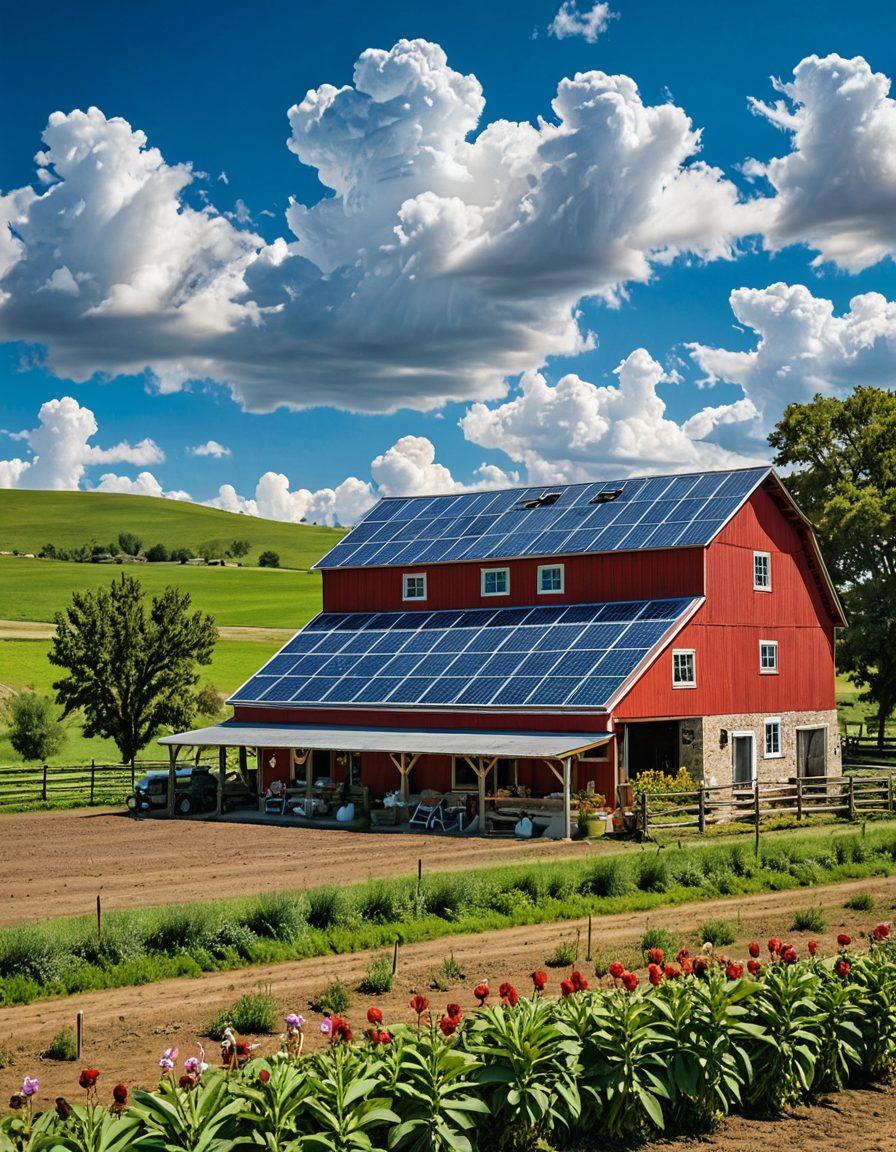
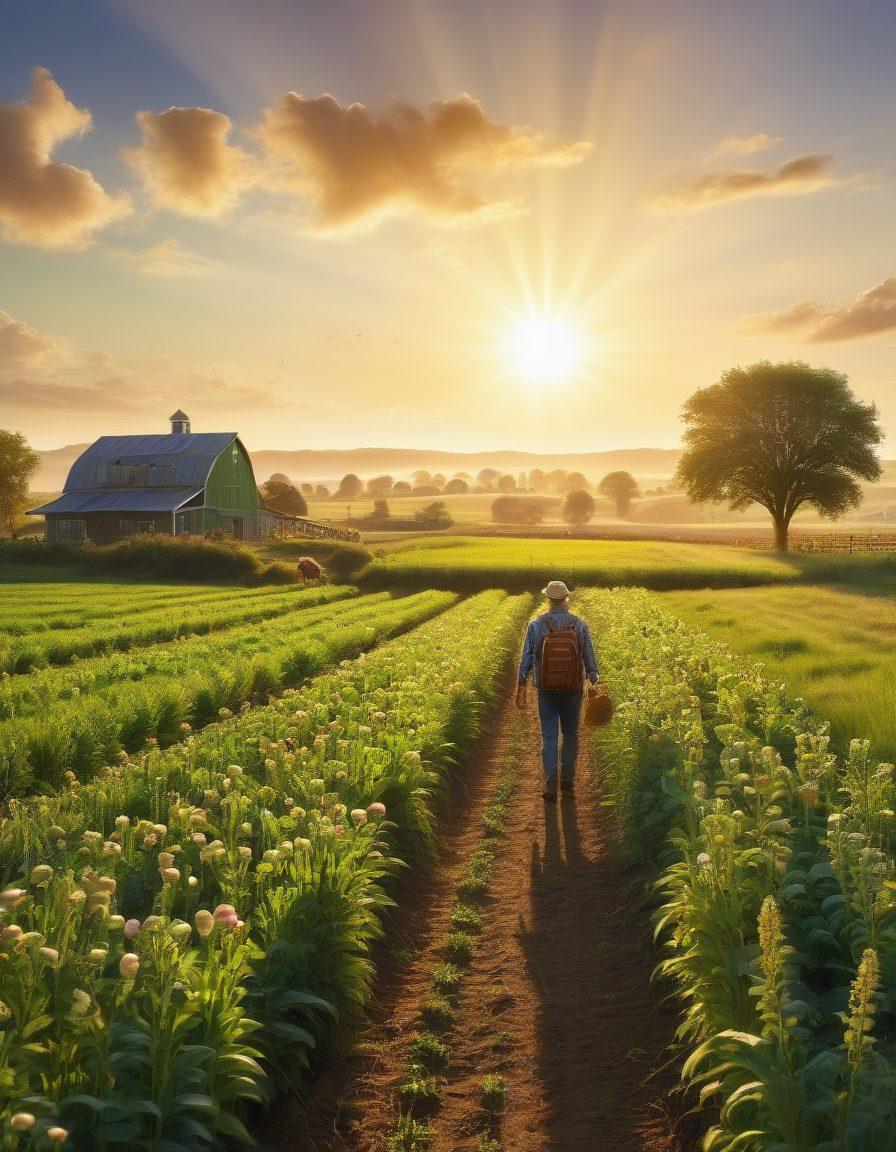
Imagine standing in the middle of your fields, surrounded by rows of lush, green crops swaying in the gentle breeze of the countryside. There’s a sense of fulfillment, a deep-rooted connection to the land that you cultivate. This is the essence of sustainable agriculture—a transformative journey where farmers embrace practices that not only yield a variety of crops but also enhance the health of our ecosystem. As we delve deeper into the power of sustainable practices in modern farming, we explore how these techniques can redefine our farmsteads and foster a resilient food system for generations to come.
Sustainable agriculture is more than just a trend; it's a necessity for creating a balanced relationship between our farms and the ecosystem. By implementing practices such as permaculture and regenerative farming, we can foster biodiversity and improve soil health. Just think about it: When was the last time you visited a farmers market brimming with vibrant, locally-sourced produce? This is the product of intentional farming practices that prioritize the environment while ensuring quality crop production. The transformation of our fields begins with acknowledging the power of what we plant today for a better tomorrow.
Have you ever wondered how small-scale farming can have such a profound impact on our communities? By supporting sustainable practices, such as community supported agriculture (CSA) and local food initiatives, we encourage a rural lifestyle that thrives on food sovereignty and local governance. When farmers engage with their communities, nurturing their land and crops, they create an ecosystem that thrives on mutual respect and support. This not only boosts the local economy but also strengthens the bonds between consumers and producers.
As we consider farm management in the 21st century, it becomes clear that agriculture practices must evolve. The days of monoculture and reliance on chemical inputs are fading as more farmers shift towards holistic approaches that prioritize land stewardship and ecosystem health. Imagine a world where every farmstead operates on principles of sustainability, creating lush landscapes that produce food while fostering wildlife habitats and clean waterways. It’s a vision we can work towards together by championing regenerative practices that harmonize our relationship with the Earth.
With the rise of agri-tourism, there’s an opportunity for farmers to share their journey towards sustainable agriculture with the world. By welcoming visitors into our fields, we can sprinkle some newfound appreciation for where our food originates. Sharing stories about the struggles and triumphs of implementing sustainable practices ignites curiosity and encourages others to join the movement. So, what can we do as advocates of this change? Embrace the knowledge within the agriculture blog community, share insights about sustainable practices, and take actionable steps within our farmsteads. Together, we can cultivate change, transforming not just our fields but the future of food.
Harvesting Harmony: How Regenerative Agriculture Benefits Our Ecosystem
In a world increasingly aware of environmental issues, the call for sustainable agriculture plays louder than ever. As we traverse the picturesque countryside, one can't help but notice the importance of our relationship with the land. Just imagine standing on a farmstead where the air is crisp, the soil is rich with nutrients, and the produce is as fresh as it gets. This is the essence of regenerative agriculture—a holistic approach that not only focuses on crop production but also revitalizes and nurtures our ecosystems. Are you ready to dive into the world of sustainable practices and discover how they can harmonize our planet?
Regenerative farming is not just an agriculture practice; it's a vision for the future. Imagine farm management that goes beyond mere productivity and actively improves the health of our soils, water, and biodiversity. With principles like land stewardship and permaculture woven into the fabric of modern farming, these practices can transform our rural lifestyle for the better. As we learn more about regenerative agriculture, we come to understand that it's about creating a balanced ecosystem—a symphony between the earth, its inhabitants, and our own agricultural goals. How can we foster this harmony in our communities?
As we delve deeper, the benefits of regenerative agriculture become clear. It enhances food sovereignty by empowering local food systems and reducing dependence on industrial farming techniques. Supporting community-supported agriculture and farmers' markets means keeping our food local, fresh, and bursting with flavor. This creates not only a sustainable food source but also fosters a sense of community. Imagine strangers becoming friends over a shared love for fresh produce, aromatic herbs, and knowing exactly where their food comes from! How could such connections transform your neighborhood?
Moreover, regenerative agriculture practices help mitigate climate change and rebuild our ecosystem. By practicing crop rotation, cover cropping, and reducing chemical inputs, farmers can bolster the resilience of their land and create a healthier habitat for wildlife. This environmental awareness is also gaining traction through agri-tourism—where visitors come to local farms to learn, interact, and appreciate the beauty of sustainable practices. Have you ever thought about how a day spent on a regenerative farm could change your perspective on food production?
Finally, embracing regenerative farming is more than just a trend; it's a movement towards ecological balance and sustainability. It reminds us that our actions, however small, can create a ripple of positive change. By supporting these practices, whether it's adopting small-scale farming in your backyard or promoting agriculture blogs dedicated to sustainable practices, we can all play a part in healing our ecosystem. The question remains: Are you ready to join the journey of cultivating change and harvesting harmony in your own community?
Raising Local Voices: The Role of Community in Sustainable Farmsteads
In the heart of the countryside, where the rolling hills meet the vibrant fields, the concept of sustainable agriculture is taking root through the voices of our local communities. It’s no longer just a trend; it’s a necessary shift toward a world that respects the delicate balance of our ecosystems. Picture a small-scale farming operation where neighbors gather not just to share ideas but to share their hopes, dreams, and commitment to greater environmental stewardship. Have you ever wondered how these grassroots movements can change the face of agriculture practices and create a ripple effect throughout the agricultural landscape?
From community supported agriculture programs to farmers markets brimming with local food, it's clear that the voice of the community is vital in the journey towards regenerative farming. Each community cultivates its unique practices, shaped by the agronomy and traditions of its people. As local farmers foster relationships with their customers, they provide not just food but also a sense of belonging and pride. This interconnectedness nurtures food sovereignty, empowering communities to reclaim control over their own food systems and promoting a more resilient local economy. Isn’t it inspiring to think about the power of collaboration in cultivating positive change?
Moreover, let’s explore how agri-tourism is redefining the traditional definitions of a farmstead. Imagine a family from the city visiting a sustainable farm, participating in crop production workshops, or learning about permaculture principles firsthand. These experiences not only educate the public about sustainable practices but also create a deeper connection with the land and its stewards. When we bring people closer to their food sources, we foster a generation that values land stewardship and sustainable agriculture. How can we, as part of this ecosystem, engage in conversations around food ethics and environmental responsibility?
As we consider the role of community in sustainable farmsteads, it's essential to recognize the potential for personal stories and anecdotes to spark change. A farmer may recount how a simple decision to plant cover crops led to unexpected benefits, or how their partnership with local organizations has transformed their farming approach. These stories, laden with authenticity, resonate strongly with their neighbors and encourage them to reflect on their own choices and lifestyles. Are there voices in your community that are paving the way for these innovative agriculture practices? What lessons can you learn from their journeys?
In conclusion, embracing sustainable agriculture within our communities requires us all to come together and raise our voices. Let’s strive to support local farmers, participate in community events, and promote a rural lifestyle that treasures both the land and its people. Whether it’s through participating in farm management workshops or attending your local farmers market, every action counts towards building a sustainable future. Together, let’s cultivate change, fostering a vibrant agricultural eco-system where community thrives alongside nature. Are you ready to lend your voice to this vital conversation?